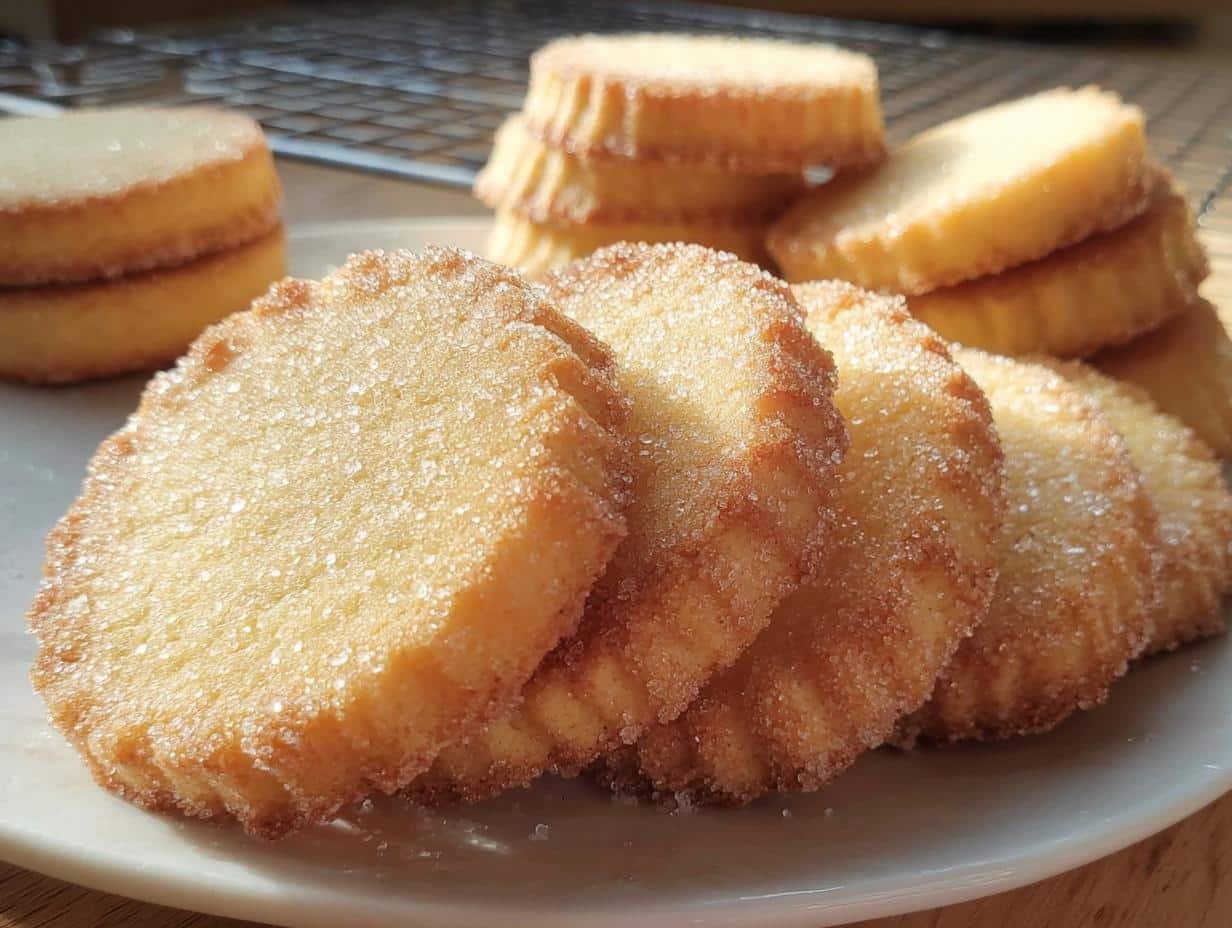


Best Rolled Sugar Cookies melt in your mouth with buttery richness and a classic sweet flavor that brings joy to any gathering. This rolled sugar cookie recipe delivers tender yet sturdy cookies perfect for decorating or simply enjoying plain. Whether you are baking for holidays, birthday parties, or just an afternoon treat, these cookies hold their shape beautifully and bake quickly. The dough is easy to prepare, chill, and roll out, making the process straightforward even for beginner bakers. Once baked, they crisp slightly on the edges while remaining soft inside. Let’s start baking something delightful.
Why You’ll Love This Recipe Name
Rolled sugar cookies are a timeless treat beloved at holiday cookie exchanges, family celebrations, or casual tea times. You’ll love this recipe because it provides:
- Reliable texture: The combination of softened butter, sugar, and eggs creates a rich dough that bakes into cookies with tender centers and crisp edges.
- Versatility: You can shape them into festive designs — stars, hearts, holiday motifs — or keep them classic rounds.
- Decoration potential: Because they hold their shape well, they are perfect for decorating with icing, sprinkles, or edible glitter.
- Make‑ahead convenience: The dough can chill overnight, making this recipe ideal when you want to divide prep across days or bake just before hosting.
- Simple ingredients: No fancy extracts or hard‑to‑find items — just pantry staples you probably already have.
Ingredients
- 2 cups white sugar
- 1 ½ cups butter, softened
- 4 large eggs
- 1 teaspoon vanilla extract
- 5 cups all‑purpose flour
- 2 teaspoons baking powder
- 1 teaspoon salt
Step-by-Step: How to Make Recipe Name
- Gather all your ingredients and make sure your butter is softened to room temperature. This helps ensure a creamy, smooth dough.
- In a large mixing bowl, using an electric mixer, beat together the sugar and softened butter until the mixture becomes smooth and creamy. The sugar should be well incorporated.
- Add the eggs one by one, mixing after each addition, then pour in the vanilla extract. Mix until everything is thoroughly combined. The batter will start to look lighter and slightly fluffy.
- In another bowl, combine the all-purpose flour, baking powder, and salt by whisking them together.
- Gradually add the flour mixture to the butter‑egg mixture, stirring slowly until a soft dough forms. Avoid overmixing — stop as soon as the flour is incorporated.
- Wrap the dough and place it in the refrigerator to chill for a minimum of one hour. For best results, chill overnight — this helps the dough firm up and makes rolling much easier.
- When ready to bake, preheat your oven to 400 degrees Fahrenheit (200 degrees Celsius). Lightly dust a clean work surface with flour.
- Roll out the dough to a thickness between 1/4 and 1/2 inch. Use cookie cutters of your choice to cut the dough into shapes. Transfer the shapes to ungreased baking sheets, spacing them about 1 inch apart.
- Bake in the preheated oven for 6 to 8 minutes, or until the cookies are lightly browned around the edges. Watch them carefully — overbaking will make them too crisp.
- Remove the cookies from the oven and allow them to cool on the baking sheet for a couple of minutes, then transfer them to a wire rack to cool completely before decorating or serving.
Helpful Tips
- Don’t skip chilling: Cold dough is easier to roll and less sticky. Refrigerating for at least one hour — or overnight — greatly improves texture and handling.
- Use room temperature butter: Too cold and it won’t mix well; too warm and the dough may be greasy. Aim for soft but still slightly cool butter.
- Flour sparingly when rolling: Use only a light dusting of flour — too much flour can dry out the dough, making cookies dense instead of tender.
- Rotate baking sheets: If baking multiple trays, swap positions halfway through baking to ensure even heat exposure and coloring.
- Watch bake time: Because thickness can vary, start checking at 6 minutes. The cookies should be just beginning to brown around edges for best texture.
- Let them cool before decorating: Decorating too early can cause icing or sprinkles to melt or slide off.
Substitutions And Variations
- Vanilla substitute: While vanilla adds a classic flavor, you can substitute up to 1 teaspoon almond extract or lemon extract for a different but pleasant twist.
- Brown sugar variation: Swap up to half the white sugar for light brown sugar to give cookies a slightly deeper, caramel‑like flavor and softer chew.
- Whole wheat or half‑whole wheat flour: Replace up to 1 cup of all‑purpose flour with whole wheat flour for a modestly heartier texture and nutty taste. Because whole wheat flour absorbs more moisture, you may need to add a tablespoon or two of milk or water to the dough.
- Spiced cookies: Mix in ½ teaspoon ground cinnamon or a pinch of nutmeg to the dry ingredients for a warm seasonal flavor.
- Gluten‑free option: Use a 1-to-1 gluten‑free baking flour blend. Be aware that texture may differ: cookies might be crumblier and more delicate.
- Decorating ideas: Once baked and cooled, decorate with royal icing, buttercream frosting, melted chocolate drizzle, colored sugar, edible glitter, or sprinkles. For holiday cookies, consider piping icing details or sandwiching two cookies with jam or frosting.
Storage Instructions
To keep your cookies fresh and tasty:
- Short-term (1–2 days): Store in an airtight container at room temperature. Place a slice of bread inside to help retain moisture.
- Longer-term (up to a week): Layer cookies between sheets of wax paper in an airtight tin or container.
- Freezing: For longer storage, freeze baked cookies in an airtight container or heavy‑duty freezer bag; separate layers with wax paper to prevent sticking. They can be frozen for up to 3 months. Thaw at room temperature before serving or decorating.
- Unbaked dough storage: The chilled dough can also be wrapped in plastic wrap and refrigerated up to 2 days, or frozen up to 1 month. When you’re ready to bake, let the dough thaw overnight in the refrigerator before rolling, cutting, and baking as usual.
Nutritional Information

Per cookie (assuming about 36–40 cookies per batch, depending on size):
- Calories: 110
- Total Fat: 5 g (Saturated Fat: 3 g)
- Cholesterol: 25 mg
- Sodium: 93 mg
- Total Carbohydrate: 15 g
- Dietary Fiber: 0 g
- Total Sugars: 7 g
- Protein: 2 g
- Calcium: 14 mg
- Iron: 1 mg
- Potassium: 17 mg
Note that nutritional values are approximate and will vary depending on cookie size and thickness. Decorating with icing, frosting or sprinkles will of course increase sugar and calorie content substantially.
Serving Suggestions
- Classic glazed cookies: Dust with powdered sugar or drizzle with a simple glaze made from powdered sugar and milk.
- Festive decorated cookies: Use royal icing in seasonal colors, and top with sprinkles, edible glitter, or sanding sugar — perfect for holidays like Christmas or birthdays.
- Sandwich cookies: Spread jam, buttercream, or Nutella between two cookies for a decadent twist.
- Tea or coffee accompaniment: Pair with hot beverages like cocoa, coffee, or tea for a cozy snack.
- Gift‑ready packaging: Arrange baked, cooled, and decorated cookies in clear cellophane bags tied with ribbon — perfect for gifting to friends, neighbors, or coworkers.
Frequently Asked Questions About Recipe Name
Can I make the dough ahead of time and freeze it?
Yes. After mixing the dough, wrap it tightly in plastic wrap or place it in an airtight container and store in the freezer for up to 1 month. When you’re ready to bake, let the dough thaw overnight in the refrigerator before rolling, cutting, and baking as usual.
Why are my cookies too soft after baking?
If cookies remain soft too long, they may be underbaked — check that they are lightly browned around the edges before removing them from the oven. Also ensure dough was chilled properly; warm dough can lead to overly soft cookies.
Can I use margarine instead of butter?
While you can, butter offers superior flavor and texture. Margarine may result in a less rich taste and slightly different texture, but cookies should still bake fine.
What if I do not have cookie cutters?
No problem. You can roll dough into balls, flatten slightly, or cut into squares or rectangles using a knife or pizza cutter. The cookies may not be decorative, but they will still taste delicious.
How thick should I roll the dough?
Aim for about 1/4 to 1/2 inch thick. Thinner cookies will bake faster and be crisper, while thicker ones will hold more interior softness.
Conclusion
Thank you for trying this Best Rolled Sugar Cookies recipe with me. I have truly enjoyed sharing a baking experience that is both simple and rewarding. With straightforward ingredients, easy‑to‑follow steps, and plenty of room for creativity — from shapes to decorations — this recipe makes baking cookies feel joyful and accessible. I hope these cookies bring sweetness to your home, whether you bake them for friends, holidays, or a cozy afternoon treat. Wishing you many happy baking moments and delicious cookies enjoyed with warmth and smiles.
Follow us on Pinterest for daily recipe inspiration!
Print
Best Rolled Sugar Cookies Recipe
- Prep Time: 20 minutes
- Cook Time: 8 minutes
- Total Time: 1 hour 28 minutes
- Yield: 36–40 cookies 1x
- Category: Dessert
Description
Soft and crisp Best Rolled Sugar Cookies that hold their shape, are easy to roll, and perfect for decorating. Classic, buttery, and simple.
Ingredients
2 cups white sugar
1 ½ cups butter, softened
4 large eggs
1 teaspoon vanilla extract
5 cups all-purpose flour
2 teaspoons baking powder
1 teaspoon salt
Instructions
- Gather all your ingredients and make sure your butter is softened to room temperature. This helps ensure a creamy, smooth dough.
- In a large mixing bowl, using an electric mixer, beat together the sugar and softened butter until the mixture becomes smooth and creamy. The sugar should be well incorporated.
- Add the eggs one by one, mixing after each addition, then pour in the vanilla extract. Mix until everything is thoroughly combined. The batter will start to look lighter and slightly fluffy.
- In another bowl, combine the all-purpose flour, baking powder, and salt by whisking them together.
- Gradually add the flour mixture to the butter‑egg mixture, stirring slowly until a soft dough forms. Avoid overmixing — stop as soon as the flour is incorporated.
- Wrap the dough and place it in the refrigerator to chill for a minimum of one hour. For best results, chill overnight — this helps the dough firm up and makes rolling much easier.
- When ready to bake, preheat your oven to 400 degrees Fahrenheit (200 degrees Celsius). Lightly dust a clean work surface with flour.
- Roll out the dough to a thickness between 1/4 and 1/2 inch. Use cookie cutters of your choice to cut the dough into shapes. Transfer the shapes to ungreased baking sheets, spacing them about 1 inch apart.
- Bake in the preheated oven for 6 to 8 minutes, or until the cookies are lightly browned around the edges. Watch them carefully — overbaking will make them too crisp.
- Remove the cookies from the oven and allow them to cool on the baking sheet for a couple of minutes, then transfer them to a wire rack to cool completely before decorating or serving.
Notes
Chill dough to prevent sticking and spreading.
Roll evenly for consistent baking.
Decorate only after cookies have cooled.
Freeze baked cookies or dough for up to 1 month.
Nutrition
- Serving Size: 1 cookie
- Calories: 110
- Sugar: 7g
- Carbohydrates: 15g
- Protein: 2g